The physical retail landscape has faced numerous challenges over the past decade, with e-commerce threatening to turn brick-and-mortar shops into relics of the past. However, walking into a computer store in 2026 reveals a completely different narrative. Instead of fading away, the modern computer store has reinvented itself into a high-tech, experiential hub that an online webpage simply cannot replicate.
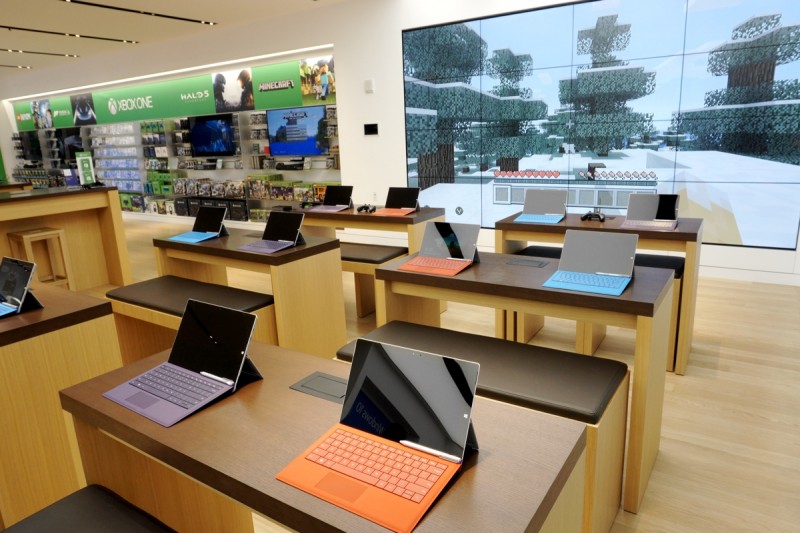
As personal computing undergoes massive paradigm shifts driven by artificial intelligence hardware and intricate supply chain realities, the local computer retail store has become more relevant than ever. This article explores the unique trends, specialized consulting, and changing dynamics that define the computer store experience today.
The AI Hardware Revolution: Seeing is Believing
The primary driver behind foot traffic in 2026 computer stores is the massive consumer shift toward localized artificial intelligence. While previous generations focused entirely on standard CPU clock speeds and graphics card frames-per-second, today’s tech buyers are looking for Neural Processing Units (NPUs) and dedicated AI architecture.
In-store displays are no longer just running simple gaming loops or static screen savers. Retailers have set up interactive “AI Demozones.” Here, customers can test real-time generative software, local large language models (LLMs) running natively on laptops, and automated video-editing rigs powered by the latest silicon. Because these new technologies require specific hardware configurations to run smoothly without relying on slow cloud networks, buyers want to witness the processing speeds in person before making a hefty financial investment.
Navigating a Volatile Market with Expert Advice
The year 2026 has brought unique economic and manufacturing challenges to the tech industry. Global shifts have led to a severe, persistent memory shortage, driving up the costs of conventional DRAM and high-performance NAND flash storage. Consequently, average selling prices for laptops and desktop components have seen a noticeable upward trajectory.
In this volatile climate, the computer store acts as a vital advisory center. Attempting to build or buy a PC online during a component shortage often results in purchasing mismatched parts or overpaying for scarce stock. In-store sales associates, armed with real-time inventory management software and deep industry knowledge, help consumers optimize their budgets. They provide transparent, honest conversations about where a buyer can compromise—such as choosing a slightly older generation processor—to absorb the rising cost of memory without sacrificing system stability.
Experimental Retail and the Rise of “Smart Stores”
To compete effectively with instant online deliveries, physical computer stores have embraced experimental retail concepts. Modern storefronts are seamlessly integrated with ambient computing and smart tracking systems to create a frictionless shopping experience.
When a customer walks into a premium computer outlet, smart displays can adapt dynamically, offering tailored product recommendations or highlighting compatibility options for components currently in stock. Furthermore, checkout lines have been entirely streamlined. Advanced sensor pads and computer vision cameras allow customers purchasing smaller items—like thermal paste, cables, or external drives—to place their basket down and check out instantly without waiting in long, traditional retail lines.
The Resurgence of the Custom Build Workshop
Perhaps the most exciting element of the 2026 computer store is the revival of the custom build workshop. As pre-built computers become more expensive due to component constraints, the hobby of building your own PC has experienced a massive resurgence among students, creators, and professionals.
Many top-tier computer stores now dedicate substantial square footage to open-concept workshops. Customers can purchase their processors, motherboards, liquid cooling kits, and cases in the store, and then utilize a fully equipped workbench right on the showroom floor. Under the guidance of certified store technicians, buyers can assemble their dream machines safely, avoiding common mistakes like bent motherboard pins or incorrect thermal application. This community-driven approach transforms a sterile transaction into a memorable, collaborative event.
Conclusion
The computer store in 2026 stands as a powerful testament to the resilience of brick-and-mortar retail when paired with meaningful innovation. By pivoting away from simple inventory shelving and transforming into an experiential, educational, and community-focused environment, these shops have secured a vital place in the digital age. Whether you are an artificial intelligence developer testing next-generation NPUs, a casual user trying to navigate rising component prices with the help of an expert, or a hobbyist building a PC in an open workshop, the physical computer store remains an indispensable gateway to the future of technology.