The wireless telecommunications sector is one of the most fast-paced markets in the global economy. Over the past two decades, mobile phones have evolved from basic communication tools into essential command centers for daily life. Behind this massive retail expansion is a dedicated network of entrepreneurs who operated branded storefronts.
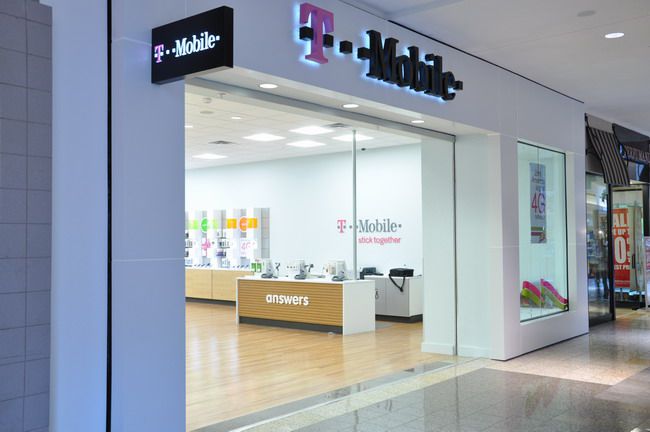
Operating a major carrier storefront provides an incredibly unique business perspective. For a former owner of a T-Mobile retail store, navigating this hyper-competitive space required a delicate balance of corporate compliance, tech literacy, and intense local market navigation. This article explores the realities, operational hurdles, and valuable business lessons from the perspective of an independent owner operating within the signature magenta ecosystem.
Understanding the Retail Model: Corporate vs. Authorized Retailers
To truly understand the journey of a former store owner, one must first look at how the wireless industry structures its storefronts. Major carriers typically utilize a dual retail strategy: corporate-owned stores and Authorized Retailers.
While corporate stores are managed directly by the parent company, Authorized Retailers are independent businesses owned by entrepreneurs or third-party entities. These independent owners invest their own capital to build out a physical retail space that mirrors corporate aesthetics. For T-Mobile, this meant adhering to specific store designs, showcasing the latest flagship devices from Apple and Samsung, and adopting the “Un-carrier” philosophy that disrupted traditional mobile contracts. As an independent owner, you were a bridge between a massive global brand and the local community, absorbing all the operational risks while chasing the rewards of a growing network.
The Daily Realities of Managing a Wireless Storefront
Owning a mobile retail store was far more complex than simply placing smartphones on a display shelf. It required managing a multi-faceted retail operation with diverse revenue streams and constant compliance audits.
Inventory Control and High-Value Assets
One of the most stressful aspects for a former store owner was inventory management. Smartphones are high-value, highly targeted liquid assets. Maintaining a secure safe filled with thousands of dollars of premium electronics required strict security protocols, background checks for staff, and daily auditing. Furthermore, because technology changes rapidly, managing aging stock before a new device rollout was critical to preventing massive financial losses.
Commission-Driven Team Management
Mobile retail lives and dies by its sales staff. Employees must be trained not just on the technical specifications of a phone, but on complex data plans, insurance attachments, trade-in values, and home internet promotions. A successful owner had to design motivating compensation structures that kept sales associates hungry for commissions while maintaining strict ethical boundaries to prevent fraudulent activations or mis-selling to consumers.
Major Hurdles and the Turning Point in Wireless Retail
While the wireless boom generated significant profits for early independent operators, the landscape began to shift dramatically over the last decade. Several structural changes forced many independent owners to eventually exit the business or sell their portfolios to larger consolidation firms.
The first major shift was the evolution of consumer behavior. As e-commerce matured, a massive segment of the population bypassed the physical storefront entirely, choosing to upgrade their devices online or directly through mobile applications. This drastically reduced organic foot traffic to strip malls and traditional retail plazas.
Secondly, the merger between T-Mobile and Sprint altered market density. Suddenly, competing storefronts were located blocks away from each other, prompting the corporate entity to optimize and consolidate its retail footprint. To maintain brand consistency and security, the operational demands on independent owners increased, squeezing profit margins and leading many local owners to transition their investments into other sectors.
The Legacy: Skills Carried Into the Future
Exiting the wireless retail space marks the end of a demanding chapter, but it leaves the former owner with an incredibly versatile entrepreneurial skill set. Managing a tech-focused retail environment teaches a business owner how to adapt instantly to rapid market shifts.
A former T-Mobile retail store owner leaves the industry with advanced expertise in consumer psychology, high-stakes inventory logistics, regional marketing, and cross-channel data management. These skills are highly transferable, allowing many former owners to successfully pivot into real estate development, digital marketing agencies, or luxury franchise management.
Conclusion
Being a former owner of a T-Mobile retail store means having stood on the front lines of the mobile technology revolution. It was a career defined by the excitement of major product launches, the challenge of building a high-performing sales culture, and the necessity of navigating strict corporate guidelines. While shifting digital landscapes and industry consolidation eventually closed the doors on many independent operators, the experience gained from managing a fast-moving, high-value tech storefront remains a masterclass in modern business management.