The global population is expanding at an unprecedented rate, placing immense pressure on the world’s agricultural systems. To meet this skyrocketing demand, farming has had to evolve from a labor-intensive. Unpredictable practice into a highly sophisticated, data-driven industry. The driving force behind this monumental shift is modern technology.
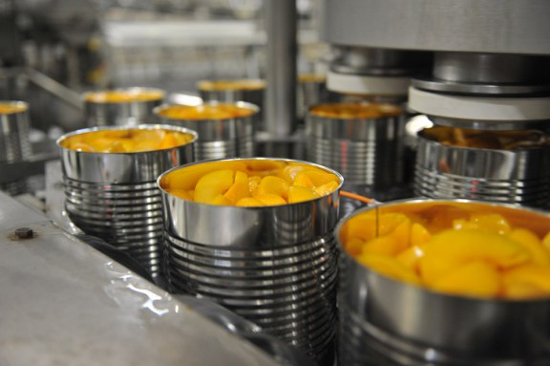
From the early days of mechanized tractors to the current era of satellite mapping and genetic engineering, technological innovation has drastically optimized how we grow, harvest, and distribute food. This article explores the key technological advancements that have contributed to the massive increase in global food production, ensuring food security in an increasingly challenging world.
Precision Agriculture and Smart Machinery
One of the most significant revolutions in modern farming is precision agriculture. Historically, farmers treated entire fields uniformly, applying the same amount of water, fertilizer, and pesticides across acres of land. Today, technology allows for micro-management at an individual plant level.
IoT Sensors and Soil Monitoring
Internet of Things (IoT) sensors placed throughout fields can measure soil moisture, nutrient levels, and temperature in real time. This data is transmitted directly to a farmer’s smartphone or computer, allowing them to apply water and fertilizers only where and when they are absolutely needed. This targeted approach prevents resource waste, reduces environmental impact, and maximizes crop yields.
Autonomous Machinery and GPS Guidance
Modern tractors, harvesters, and planters are equipped with advanced GPS and auto-steer technologies. These machines can navigate fields with centimeter-level accuracy, reducing overlapping paths and skipped areas during planting or harvesting. Furthermore, the rise of autonomous, driverless tractors allows farms to operate continuously, optimizing planting windows regardless of labor shortages.
Biotechnology and Crop Modification
While machinery optimizes physical labor, biotechnology works at the molecular level to improve the resilience and output of the crops themselves.
Genetically Modified Organisms (GMOs)
Biotechnology has enabled scientists to alter the genetic makeup of crops to introduce desirable traits. For instance, crops can be engineered to be resistant to specific pests, diseases, and harsh weather conditions such as droughts or extreme salinity. This genetic resilience ensures that farmers lose significantly fewer crops to unpredictable environmental factors, leading to a much higher and more reliable net harvest.
Biofortification and Nutrient Optimization
Beyond quantity, technology has also improved the quality of food production. Through biofortification, scientists can increase the nutritional value of staple crops. A prime example is Golden Rice, which is genetically engineered to biosynthesize beta-carotene, a precursor of vitamin A. This technology helps fight malnutrition in developing nations while maximizing the caloric output per acre.
Drones and Satellite Imagery
The view from above has completely transformed large-scale farm management. Agricultural drones and high-resolution satellite imagery provide farmers with a bird’s-eye view of their operations, turning raw visual data into actionable insights.
Drones equipped with multispectral cameras can fly over vast fields to detect signs of pest infestation, plant disease, or water stress days before they become visible to the human eye on the ground. By identifying these problem areas early, farmers can intervene precisely, saving entire crop sections from destruction. Satellites contribute by offering long-term weather forecasting and macro-level tracking of crop health over seasons, allowing for better yield predictions and market planning.
Controlled Environment Agriculture (CEA)
As arable land diminishes due to urbanization and climate change, technology has allowed us to move farming indoors. Controlled Environment Agriculture, which includes vertical farming and advanced greenhouses, completely detaches food production from traditional geographical and seasonal limitations.
Using hydroponic (water-based) or aeroponic (air/mist-based) systems, vertical farms grow crops in stacked layers inside controlled indoor environments. These facilities utilize specialized LED grow lights that mimic the optimal spectrum of sunlight needed for photosynthesis. Because every variable—including humidity, temperature, and light—is artificially controlled, crops grow significantly faster, use up to 95% less water, and can be harvested year-round, regardless of external winter conditions.
Conclusion
Technology has fundamentally rewritten the rules of agriculture. The transition from traditional farming methods to a tech-integrated ecosystem has allowed global food production to keep pace with an exploding population. Through the precision of IoT sensors, the resilience offered by biotechnology, the surveillance capabilities of drones, and the climate independence of vertical farming, modern agriculture is more efficient and sustainable than ever before. As climate change continues to threaten traditional farming rhythms, the ongoing development and adoption of these agricultural technologies will remain our greatest defense against global food insecurity.