The healthcare industry is one of the most dynamic, rewarding, and rapidly growing sectors in the global economy. As medical technology advances and global populations age, the demand for dedicated healthcare professionals continues to reach unprecedented heights. Choosing a career in medicine offers more than just job security; it provides a profound sense of purpose, as these professionals directly impact the quality of human life every single day.
However, the medical field extends far beyond the traditional roles that most people interact with on a daily basis. It requires a vast ecosystem of specialists working together, combining clinical expertise, technological proficiency, and deep empathy. This article explores three distinct and crucial careers within the medical field, highlighting their responsibilities, educational pathways, and the unique impact they have on patient care.
1. Physician Assistant (PA): The Dynamic Clinical Practitioner
For individuals who want to practice medicine, diagnose illnesses, and manage patient care without committing to the lengthy and costly path of traditional medical school, becoming a Physician Assistant (PA) is an exceptional choice.
Core Responsibilities
Physician Assistants are licensed clinicians who practice medicine in collaboration with physicians. Their scope of practice is incredibly broad; PAs can conduct physical exams, diagnose and treat illnesses, order and interpret lab tests, counsel patients on preventative healthcare, and even assist in surgery. In many states and healthcare settings, PAs have the authority to prescribe medications. They serve as vital primary care providers, helping to bridge the gap in healthcare access, particularly in underserved rural communities.
Educational Path and Impact
To become a PA, one must typically earn a bachelor’s degree followed by a master’s degree from an accredited Physician Assistant program, which usually takes about two to three years. These programs are highly rigorous and modeled on the medical school curriculum, requiring extensive clinical rotation hours. The greatest advantage of this career is versatility; unlike specialized physicians, PAs can transition between different medical specialties—such as dermatology, emergency medicine, or orthopedics—without needing to complete a new residency program.
2. Radiologic Technologist: The Eyes of Modern Medicine
Modern medicine relies heavily on accurate data and internal imaging to make life-saving decisions. Radiologic Technologists, often referred to as X-ray technicians or imaging specialists, are the professionals responsible for capturing these crucial internal glimpses of the human body.
Core Responsibilities
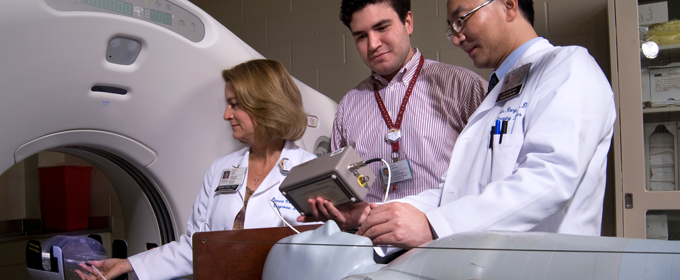
Radiologic Technologists operate sophisticated imaging equipment, including X-ray machines, Computed Tomography (CT) scanners, and Magnetic Resonance Imaging (MRI) systems. They prepare patients for procedures, position them accurately to get the clearest images, and ensure that radiation safety protocols are strictly followed to protect both the patient and themselves. Once the images are captured, technologists review them for quality before passing them along to radiologists (physicians who interpret the scans).
Educational Path and Impact
This career is highly attractive for those who want to enter the medical field quickly while working directly with cutting-edge technology. The entry barrier is accessible, typically requiring an Associate Degree in Radiologic Technology, which takes about two years to complete, followed by professional certification. Radiologic Technologists are essential because a doctor cannot treat an illness or repair a bone fracture effectively without seeing exactly what is happening beneath the skin. Their technical precision forms the foundation of accurate medical diagnoses.
3. Medical Laboratory Scientist (MLS): The Unsung Heroes of Diagnosis
While doctors and nurses work on the front lines of patient interaction, another critical group of medical professionals works quietly behind the scenes. Medical Laboratory Scientists (MLS), also known as Clinical Laboratory Technologists, perform the vital analytical work that dictates a patient’s treatment plan.
Core Responsibilities
When a doctor orders a blood draw, a tissue biopsy, or a fluid sample, those specimens are sent directly to the medical laboratory. An MLS uses highly complex laboratory instruments, microscopes, and chemical analyzers to search for abnormalities. They look for cancer cells, identify bacterial infections, cross-match blood types for critical transfusions, and measure chemical levels in the body. Statistics show that up to 70% of all medical decisions made by physicians are based on the objective data provided by laboratory scientists.
Educational Path and Impact
Becoming a Medical Laboratory Scientist generally requires a Bachelor’s Degree in Medical Laboratory Science, Biomedical Science, or a related biological discipline, along with a laboratory certification. This career is perfect for analytical minds who love science, biology, and problem-solving, but prefer minimal direct patient contact. Without the meticulous work of these scientists, modern medicine would be reduced to guesswork.
Conclusion
The medical field offers a diverse array of professional paths, each catering to different strengths, educational timelines, and personal preferences. The Physician Assistant offers flexible, high-level clinical care directly to patients. The Radiologic Technologist merges human compassion with advanced physical imaging technology. Meanwhile, the Medical Laboratory Scientist uses deep analytical skills to uncover the microscopic truths necessary to cure diseases. Together, these three careers demonstrate that whether you are at the bedside, operating imaging machinery, or analyzing samples in a lab, every role in the medical sector is a vital link in the chain of human health and healing.