For decades, three-dimensional holograms were the exclusive domain of science fiction. Audiences watched in awe as classic cinematic universes projected floating tactical maps. Communication transmissions, and lifelike digital avatars into thin air. Today, that fiction is rapidly transitioning into tangible reality. 3D hologram technology is no longer confined to the silver screen or high-tech research laboratories. It is actively reshaping industries from healthcare to entertainment.
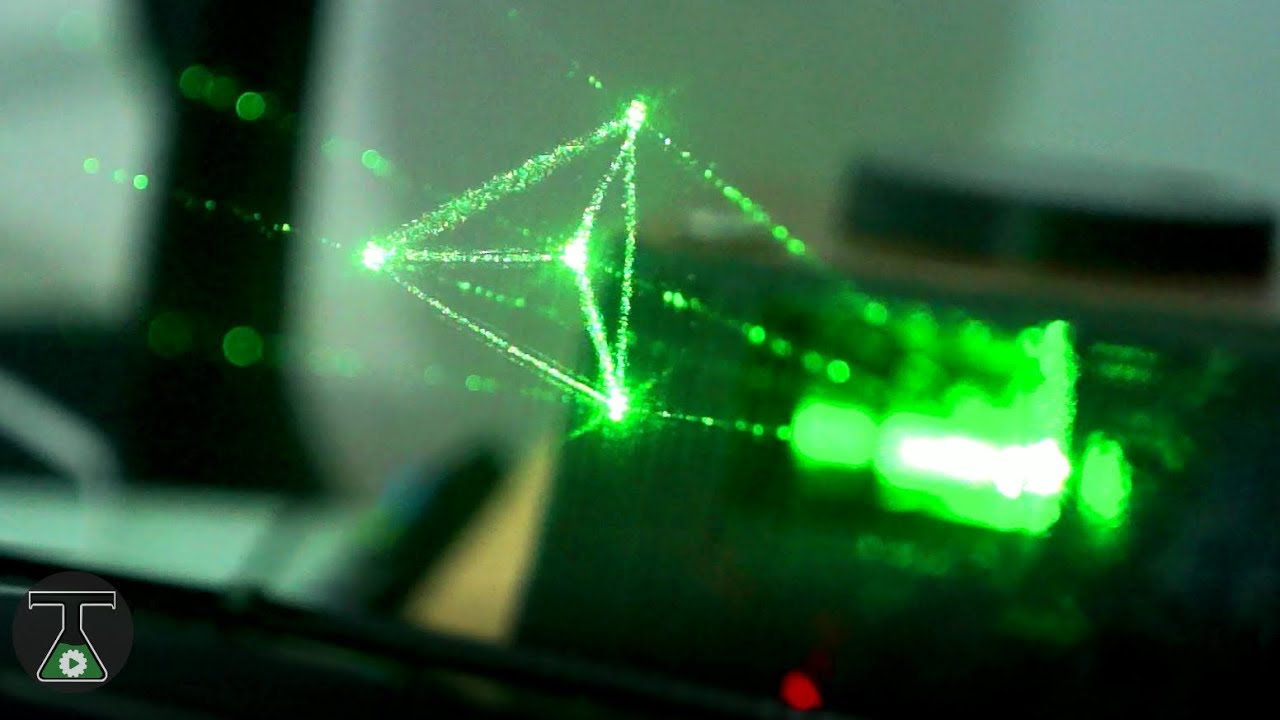
As we move deeper into the digital age, understanding how this technology works, its current applications, and its future potential becomes essential. This article explores the mechanics behind 3D holography and how it is poised to change the way we interact with the digital world.
Understanding the Science Behind 3D Holograms
To appreciate the marvel of a 3D hologram, it is important to distinguish it from standard 3D displays, such as those found in cinemas. Traditional 3D viewing relies on stereoscopy, which tricks the brain by sending two different flat images to each eye, often requiring specialized glasses.
True 3D holography is entirely different. It records and reproduces a light field rather than a flat image. When a laser beam is split, one part illuminates the object while the other acts as a reference. The interference pattern created by these two beams is captured on a recording medium. When light hits this pattern subsequently, it diffracts in a way that accurately replicates the original light waves.
The result is a projected object that possesses genuine depth, parallax, and spatial presence. Viewers can walk around a true hologram and see different sides of the object, just as they would with a physical item, without needing any eyewear.
Transformative Applications Across Key Industries
While the visual appeal of holograms is undeniable, their true value lies in their practical utility. Several sectors are leveraging this technology to solve complex problems and improve efficiency.
Medicine and Advanced Healthcare
One of the most profound applications of 3D holography is in the medical field. Surgeons can now utilize holographic projections of a patient’s internal anatomy, generated from MRI or CT scans. Instead of looking at a flat computer monitor, a surgical team can examine a floating, life-sized, three-dimensional heart or brain before making an incision. This spatial awareness significantly increases precision, reduces operation times, and minimizes risks during intricate procedures.
Education and Interactive Learning
Holographic technology is transforming classrooms into immersive learning environments. Abstract concepts in physics, chemistry, and history become interactive experiences. Students can observe the structure of an atom, explore the architectural details of ancient Roman ruins, or watch a digital heart beat in real-time right in front of them. This level of engagement enhances retention and makes complex subjects highly accessible.
Entertainment and Live Events
The entertainment industry was an early adopter of holographic principles, often using advanced variations of historical illusion techniques to bring deceased musicians back to the stage or allow international artists to perform simultaneously in multiple global venues. As true 3D technology matures, we are moving toward entirely virtual concerts, interactive theater productions, and digital museum exhibits where historical figures interact dynamically with visitors.
Current Technical Bottlenecks and Challenges
Despite the impressive progress, widespread adoption of true 3D holography still faces significant engineering hurdles. The primary challenge is the sheer volume of data required to project high-resolution light fields in real-time. Processing and transmitting these massive data sets demand immense computational power and high-speed network infrastructure.
Furthermore, creating bright, clear holograms in well-lit environments remains difficult. Many current systems rely on specialized glass enclosures, spinning LED fans, or specific lighting conditions to create the illusion of a floating object. Developing a standalone system that can project a stable, high-definition 3D image into open, ambient space remains the ultimate goal for hardware developers.
The Road Ahead: What Lies in the Future
The trajectory of 3D hologram technology points toward integration with artificial intelligence and the Internet of Things. As 5G and 6G networks expand, the possibility of holographic teleconferencing becomes highly plausible. Instead of staring at grid-based video calls on a laptop screen, remote workers could soon sit around a physical table with life-sized, real-time holographic projections of their international colleagues.
Additionally, as the hardware shrinks, we may see holographic interfaces integrated into consumer electronics, eventually replacing traditional screens with adaptive, floating user interfaces controlled by gestures.
Conclusion
3D hologram technology represents a monumental shift in how humanity interfaces with digital data. By breaking the barrier of the flat screen, holography brings digital information into our physical three-dimensional reality. While technical challenges regarding hardware cost, data processing, and environmental lighting persist, the rapid advancements in optics and computing power ensure that holograms will play a defining role in our technological future. The line between the virtual and the physical continues to blur, promising a future that is vastly more connected, collaborative, and visually spectacular.